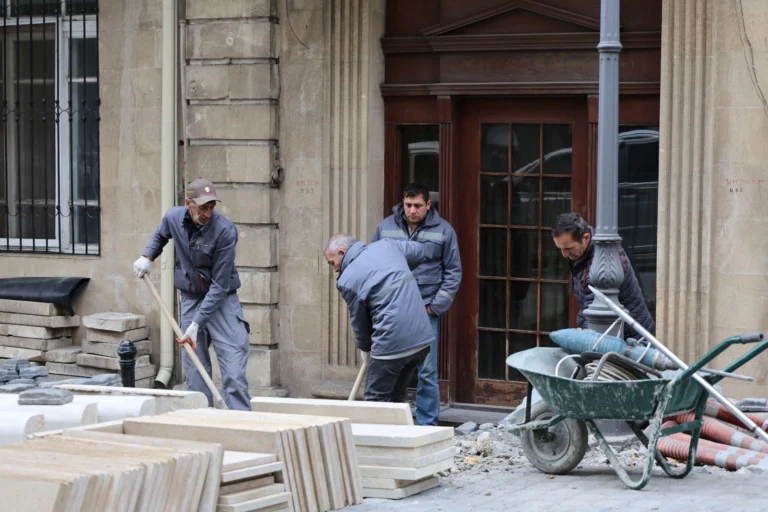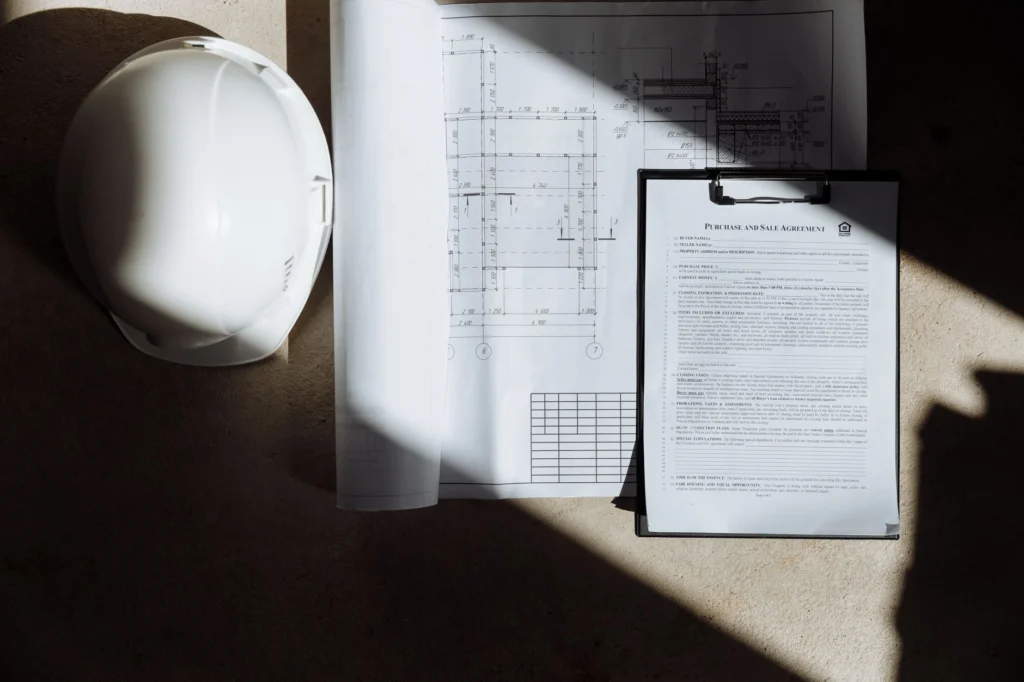
The most expensive safety problems on a jobsite are the ones that were baked in before anyone broke ground. By the time a crew is exposed to a fall hazard, a confined space, or a conflict between two trades stacked in the same area, the decisions that created that risk were already made — in the bid, in the schedule, in the site logistics plan, and in the subs you chose. That is exactly why pre-construction safety planning is where the real work happens. Get it right on paper and in your kickoff meetings, and you spend the job managing a plan instead of reacting to surprises.
This is a walk through how to fold safety into your pre-construction process so it actually changes how the job runs — not a binder that gets signed and shelved. Whether you are a general contractor coordinating a dozen trades or a sub trying to keep your own people whole, the planning moves are the same.
Why Pre-Construction Safety Planning Pays for Itself
Everyone agrees safety matters. The disagreement is usually about timing — whether it is a field problem you handle once boots are on the ground, or a planning problem you solve at the desk. The contractors who run the cleanest, most profitable jobs treat it as the second. There are a few reasons pre-construction safety planning earns its keep.
- Hazards are cheapest to remove on paper. Re-sequencing two trades during planning costs a conversation. Re-sequencing them mid-job costs a stop-work, idle crews, and a schedule slip that ripples to every trade behind you.
- An injury is a schedule event, not just a human one. A recordable incident pulls a worker off the job, triggers an investigation, can draw a regulatory visit, and rattles the rest of the crew. The downstream cost almost always dwarfs whatever the prevention would have run.
- Your safety record is a competitive asset. Owners, GCs, and insurers look at your experience modification rate (EMR) and incident history before they hand you work. A clean record built on real planning opens doors and lowers your insurance carry.
- It is the cheapest place to coordinate trades. Most jobsite hazards are not one trade being careless — they are two trades occupying the same space at the same time. You only catch that at the planning table, looking at the schedule and the site plan together.
None of this requires a corporate safety department. It requires walking the same planning steps every job, so nothing important falls through the cracks.
Start With a Job Hazard Analysis
A job hazard analysis (JHA) — also called a job safety analysis — is the backbone of pre-construction safety. The idea is simple: take the work, break it into the tasks that actually get done, and for each task ask three questions. What can hurt someone here? How bad could it get? What are we going to do about it before it does?
You do not need to boil the ocean. Focus your JHA on the high-consequence work and the high-frequency work, because that is where injuries cluster.
Break the Work Into Tasks
Walk the scope the way the work will actually happen on the ground, not the way it reads on the estimate. “Install rooftop units” is one line on a bid. On a JHA it becomes craning the unit up, working at the roof edge, the rigging, the electrical tie-in, and the hot work if there is any welding. Each of those is its own task with its own hazards. The granularity is the point — that is where you find the things that bite you.
Name the Hazards and Rank Them
For each task, list what can go wrong: falls, struck-by, caught-in/between, electrical, and the rest of the usual suspects. Then weigh each one by how likely it is and how bad the outcome would be. A low-probability hazard with a fatal outcome — a trench cave-in, an unprotected leading edge — outranks a frequent nuisance that produces a bruise. That ranking tells your crew and your subs where to spend their attention.
Pick Controls in the Right Order
Once you know the hazards, choose controls using the hierarchy that safety professionals lean on, strongest first:
- Elimination. Remove the hazard entirely — prefabricate at grade instead of at height, or re-sequence so the dangerous work happens when no one else is around.
- Substitution. Swap in a less dangerous method or material to do the same job.
- Engineering controls. Build the protection into the work — guardrails, trench shoring, machine guarding, ventilation.
- Administrative controls. Change how people work — permits, training, signage, rotation, restricted access.
- Personal protective equipment. The last line, not the first. PPE protects one worker if everything above it fails.
The mistake to avoid is jumping straight to “we’ll wear harnesses” without first asking whether you can eliminate the exposure altogether. PPE is a backstop, not a plan.
Build Safety Into Site Logistics
The site logistics plan is a safety document whether you treat it like one or not. How material moves, where the cranes pick, where people walk, and how trucks get in and out determines most of the struck-by and caught-in risk on the job. Sort it out before mobilization.
- Separate people from equipment. Lay out pedestrian routes that do not cross active equipment paths and crane swing zones. Where they must cross, that is a controlled point with signage and, on bigger jobs, a flagger.
- Plan deliveries and laydown. Know where material lands, how it gets staged, and how it moves to the work. Chaos at the gate is where backing accidents and overloaded floors happen.
- Map the overhead and underground hazards. Power lines, existing utilities, and dig conflicts belong on the logistics plan from day one, not discovered by a bucket or a bucket truck.
- Set up access, egress, and emergencies. Where do crews enter, where do they muster, and how does an ambulance reach an injured worker fast? Walk the emergency route before you need it.
On a tight urban site, the logistics plan often is the safety plan. Spend real time on it.
Coordinate Trades Before They Collide
Most of the hardest-to-control hazards come from overlap — one trade creating a condition another trade walks into without knowing. The electrician energizes a panel the day the drywallers show up to work next to it. A floor opening one crew left for their equipment becomes a fall hazard for the crew that arrives next. None of those are about a careless individual. They are coordination failures, and you fix them in pre-construction.
Overlay the Schedule and the Hazards
Take your construction schedule and look for the windows where two or more trades share space and time. Those overlaps are your hazard hotspots. Sometimes the answer is to re-sequence so they do not overlap. Sometimes you cannot, and the answer is a clear hand-off agreement: who owns the hole cover, who owns the barricade, who turns the power back on and when, and who tells whom.
Pull Subs In Early
Your subs know their own hazards better than you do — that is the point of hiring specialists. Get their input on the JHA for their scope, and require them to bring their own safety plans for high-risk work like steel erection, excavation, or anything at height. The earlier they are in the conversation, the more buy-in you get, and the fewer “nobody told us” moments you hit in the field.
This is also where prequalification matters. Knowing a sub’s safety history, EMR, and OSHA citation record before you award the work is part of building a safe job. A sub with a strong safety culture makes your coordination job easier; one with a bad record becomes your problem the moment they mobilize.
Run a Kickoff That Actually Lands
All of this planning is worthless if it lives in a folder no one opens. The pre-construction safety meeting — sometimes folded into the broader kickoff — is where the plan becomes shared knowledge. Make it real, not a formality.
- Get the right people in the room. Superintendents, foremen, and the leads from every major sub. The people who will run the work need to hear the plan and push back on it.
- Walk the high-risk tasks, not the whole binder. Spend your time on the work that can kill or maim. Everyone can read the rest.
- Assign owners. Every control and every coordination hand-off has a name attached. “Someone will handle it” is how things slip.
- Set the cadence. Define how daily huddles, toolbox talks, and inspections run from day one so safety stays a habit, not an afterthought.
A good kickoff turns a plan you wrote into a plan the crew owns. That is the difference between safety on paper and safety in the field.
Make the Plan a Living Document
The site you planned for is not the site you will have in month three. Designs change, the schedule compresses, weather rearranges your sequence, and new hazards show up. Pre-construction safety planning is not a one-and-done — it is the starting point you revisit whenever the job changes.
- Update the JHA when the scope or method changes. A change order that adds work adds hazards. Re-run the analysis on the new task before the crew touches it.
- Feed field observations back into the plan. Near-misses are free lessons. When the field catches something the plan missed, fix the plan so the next phase benefits.
- Re-coordinate when the schedule shifts. Compress two weeks into one and you have just stacked trades that were never meant to overlap. Re-check your hazard hotspots every time the sequence moves.
It Starts Before You Award the Work
The earliest point you can influence safety is the bid. A clean, well-coordinated job is built on subs you actually vetted — people whose safety records, qualifications, and capacity you knew before you handed them a contract. The contractors who run the safest jobsites tend to run the most organized bidding process, because the two are connected: you cannot coordinate trades you barely screened.
That is part of why we built BuildBoss Bid Pro — to help contractors invite the right subs, prequalify them, share project documents, and keep every bidder’s status on one page, so by the time you award the work you already know who you are bringing onto the site. Strong pre-construction safety planning starts with knowing exactly who is building your job.
Safety is not a thing you bolt onto a job once the crews arrive. It is designed into the bid, the schedule, the site plan, and the subs you pick — long before the first concrete truck shows up. Do the analysis, coordinate the trades, run a kickoff that lands, and keep the plan alive as the job changes. The hazards you remove on paper are the ones that never cost you a worker, a deadline, or a dime in the field.
Ready to stop chasing bids by email? BuildBoss Bid Pro sends invitations, collects bids and keeps every trade organized in one place.
start my 14-day free trial See what general contractors get